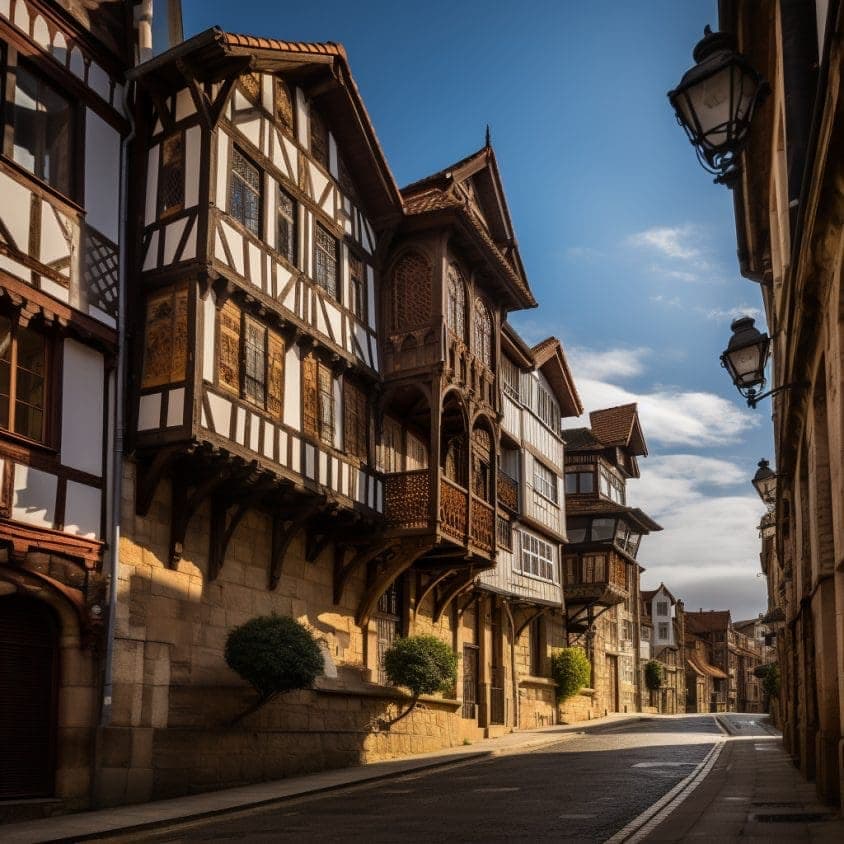
The Basque coast between Bilbao and San Sebastián is crumpled green country, the last folds of the Pyrenees falling into the Bay of Biscay. Nothing here is high. The greatest passes barely clear 700 metres, and nothing is flat either, because the roads pitch at eight and ten and fourteen percent between fishing ports, beech woods and hilltop sanctuaries. The people speak Euskara, a language older than any other in Europe, and they love bike racing the way other places love football. Ride any climb here on a Saturday morning and count the club jerseys coming the other way. No corner of the continent loves the bicycle harder.
This is racing country before it is riding country. The Clásica de San Sebastián has crossed Jaizkibel in every edition since 1981, and Clásica weekend turns the roadside into a wall of sound. The Itzulia, the Tour of the Basque Country, has been finishing on the sanctuary climb of Arrate since the 1940s, and the Vuelta has crossed the Sollube since 1964. When the Tour de France finally came in 2023, a million people filled Bilbao for the Grand Départ and the race climbed Gaztelugatxe and Jaizkibel in its first two days. Loroño and Lejarreta made their names on these hills, and a nineteen year old Remco Evenepoel announced himself here in 2019, winning the Clásica alone over Erlaitz.
The geography does the planning for you. Base in San Sebastián and the eastern canon is at your door, Jaizkibel and Erlaitz across the bay, Aia and Mendizorrotz above the surf beach at Orio, pintxos in the old town when you roll home. Shift west to the Urdaibai coast for Sollube and Gaztelugatxe, and the green valleys in between hold the sanctuary climbs of Arrate, Urkiola and Izua. The climbs are short enough to stack four or five into a day, and every ride ends at a harbour where the txakoli is cold and someone wants to talk about the race.